



Our Campaign Partnership Offer launches today! A chance for your organisation to join other European and international companies that share a commitment to promoting good mental health at work. Psychosocial risks affect workplaces across all sectors. Working together to find solutions that reflect the reality of different workplaces is essential. By becoming an Official...

Ahead of the launch of EU-OSHA’s Healthy Workplaces Campaign 2026-28: together for mental health at work on 13 October, the full campaign website is now live in all EU languages. The website will serve as a central hub of resources for organisations, employers, and other OSH actors to help prevent psychosocial risks at work to support mentally healthy workplaces. In just a few...

Well-designed workstations and balanced workloads are prerequisites for productive and healthy work. To help make these part of everyday office practice, a new Online interactive Risk Assessment (OiRA) tool has been developed specifically for offices. The tool guides businesses through a step-by-step assessment of their working environment, helping them identify potential...

Discover the updated ESENER data visualisation tool, now with comparisons across the 2014, 2019 and 2024 survey editions. The latest data highlights several clear trends: fewer workplaces are reporting worker involvement in measures to tackle psychosocial risks, and labour inspectorate visits are also declining. By contrast, discussions on the impact of digitalisation on...

EU-OSHA’s new discussion paper reviews the effects of climate change on occupational safety and health (OSH) and its unequal impacts on different workforce groups. Findings show that climate change is already affecting OSH across the EU through increased injuries, adverse health outcomes and productivity losses. Using evidence from the literature and data from the OSH Pulse...
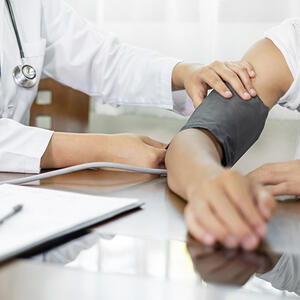
As workplaces adapt to major challenges such as an ageing workforce, EU-OSHA’s new discussion paper presents the viewpoint of occupational medicine specialists on their role in supporting occupational safety and health compliance. Part of our Supporting compliance research programme, this publication provides an overview of the practices, challenges and added value of...

Executive Vice-President of the European Commission, Roxana Mînzatu, has inaugurated EU-OSHA’s new offices in the centre of Bilbao. During her visit, she discussed key occupational safety and health challenges with staff and management, including AI, heat at work and psychosocial risks. She also highlighted the role of innovation in creating safer and healthier workplaces. The...

Our new comparative report brings together insights from nine case studies across Europe, showing how psychosocial risks (PSRs) at work can be effectively prevented and managed. Drawing on experiences from sectors including hospitality, construction, banking and social enterprises, the report highlights measures to prevent harassment, support workers’ mental health and...
Emerging risks, new technologies, and changing work patterns continue to reshape workplaces across Europe. OSHmail, EU-OSHA’s monthly newsletter, brings together occupational safety and health news, insights from EU-OSHA research, practical guidance and tools to support prevention, and information on upcoming events. Whatever your connection to the world of work, OSHmail helps...

Harassment at work, whether in person or online, has serious consequences for workers’ safety, health and wellbeing. Almost 1 in 3 women across the EU have experienced sexual harassment at work, ranging from inappropriate jokes to exposure to sexually explicit images. As digital technologies become increasingly embedded in working life, they create new risks for harassment and...