


Finland’s model for supporting mental health through shift scheduling and ergonomics
13/11/2025
This case study examines the introduction of participatory shift scheduling and shift ergonomics in Finland’s health and social care sector. The Traffic Light Model for Working Hours aims at reducing psychosocial risks known to accompany long or irregular shifts.
The intervention’s key strength lies in its research-backed approach and use of various longitudinal datasets. While results showed only slight reduction in psychological stress, they do indicate that attention to better shift planning has the potential to enhance work–life balance and protect workers’ wellbeing.
Related resources
Twin publications
13/11/2025
13/11/2025
Related publications
Related publications
13/11/2025
13/11/2025
13/11/2025

13/11/2025
13/11/2025
13/11/2025
13/11/2025
13/11/2025
Additional publications on this topic
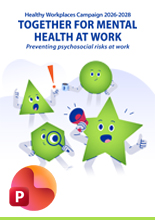
22/09/2026
27/08/2026
30/07/2026